
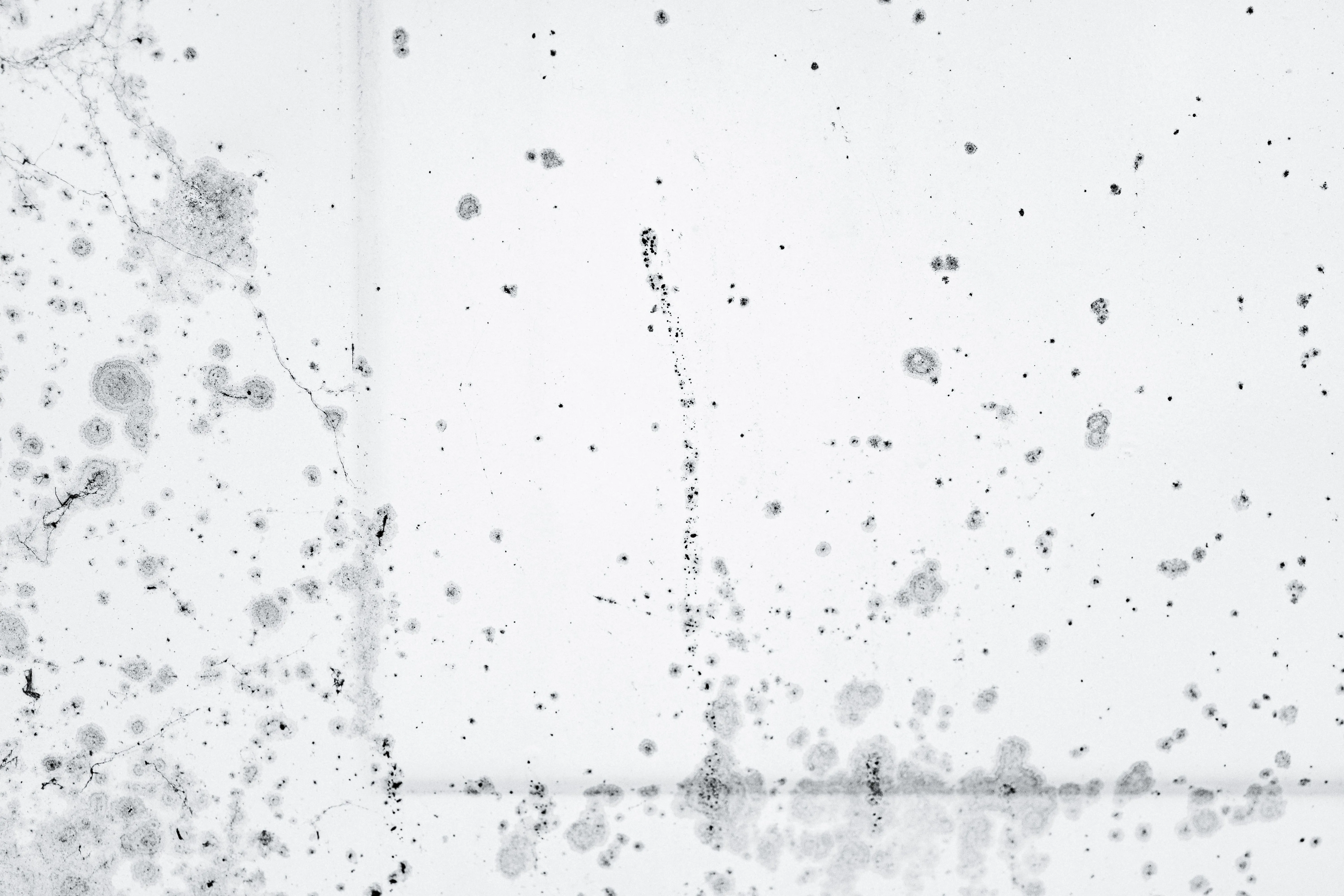

Most homeowners think of mold as a spring and summer problem. In our experience, fall is when a lot of those problems finally show up, and it's the best window to get them fixed before winter locks them inside your house.
Omaha summers are humid. Months of muggy air, summer storms, and air conditioners running hard leave moisture behind in the coolest, least-ventilated parts of the house: basements, crawl spaces, and the back corners of storage rooms. By September and October, mold that started in July has had plenty of time to spread. Then fall adds its own moisture on top.
Mold Doesn't Go Dormant When the Leaves Change
A common myth is that cooler weather "kills off" mold. It doesn't. Freezing temperatures can slow mold growth outside, but indoors your home stays between 65 and 72 degrees all season long, which is right where mold is happiest. As long as it has moisture and something organic to feed on, like drywall paper, wood framing, carpet backing, or cardboard boxes, it keeps growing.
Even mold that does go dormant isn't harmless. Dormant spores can still trigger allergy and asthma symptoms, and they become active again the next time they get wet, which in Omaha means the spring snowmelt.
7 Fall Mold Triggers in Omaha Homes
These are the fall moisture sources we see most often in homes around Omaha, Bellevue, Papillion, and La Vista:
- Leaf-clogged gutters: When gutters fill with leaves, rainwater spills over the edge and soaks the soil right against your foundation. That water ends up in basement walls and window wells.
- Leaf piles and wet mulch against the house: Leaves that collect against siding, decks, and foundation walls hold moisture for weeks and are full of mold spores. They're one of the main reasons outdoor mold spore counts climb in the fall.
- Cool nights and warm days: Big temperature swings cause condensation on cold surfaces like window frames, exterior walls, ductwork, and the underside of the roof deck. That repeated wetting is a common cause of attic mold.
- The first furnace cycle: Turning the heat on for the first time moves air through ductwork that has sat idle (and sometimes damp) since spring. If there's mold in the system or in the basement it draws from, the furnace spreads it to every room.
- A house sealed up for winter: Closed windows and new weatherstripping save energy but cut down on fresh air exchange. Moisture from cooking, showers, and breathing has fewer ways out.
- Damp crawl spaces: Crawl spaces hold onto summer humidity long after the weather cools, and because nobody goes down there, crawl space mold often goes unnoticed until you smell it upstairs.
- Firewood and holiday storage: Firewood stacked indoors brings in moisture and mold. Cardboard boxes of decorations stored on a basement floor soak up humidity and become an easy food source.
Fall Warning Signs You Shouldn't Ignore
Watch for these signs, especially in the first few weeks after you switch from A/C to heat:
- A musty or earthy smell when the furnace kicks on that doesn't go away after a day or two
- Allergy symptoms that get worse indoors and ease up when you leave the house
- Condensation or dark spots along window frames and sills
- Water stains, bubbling paint, or soft drywall on basement walls after fall rain
- Fuzzy or spotted growth on stored boxes, furniture, or wood in the basement
- Dark staining on the underside of the roof deck or on attic rafters
Fall allergies can make mold easy to miss, since ragweed season and outdoor mold spores cause similar symptoms. If your symptoms are worse inside your home than outside, that points to an indoor source. A professional mold inspection can tell you for sure.
Why Fall Is the Best Time for Mold Remediation
If you've suspected a mold problem since summer, fall is the time to deal with it. Here's why it's usually better than waiting until spring:
- Drier air makes drying more effective. Lower outdoor humidity helps dehumidifiers and air movers pull moisture out of framing and subfloors faster. It's also easier to confirm with moisture meters that materials are truly dry before anything gets rebuilt.
- You stop the furnace from spreading it all winter. Once the heating season starts, your HVAC system circulates indoor air for five or six months straight. Removing mold before then keeps spores out of every room.
- Outdoor fixes need unfrozen ground. Remediation only lasts if the moisture source gets fixed. Regrading soil, extending downspouts, and repairing foundation cracks are much easier before the ground freezes.
- It gets ahead of winter water damage. Winter brings its own problems, like ice dams and frozen pipes. Clearing existing mold now means a winter leak doesn't land on top of an active colony.
- Your home is ready for the holidays. Fall remediation wraps up well before family and guests arrive, including anyone with asthma, allergies, or a weakened immune system.
- It prevents the spring flare-up. Mold that sits through winter becomes active again with the spring snowmelt and rain. We cover that cycle in why mold problems get worse in spring.
What Professional Fall Mold Remediation Looks Like
Good remediation is more than spraying and scrubbing. Our process for mold remediation in Omaha follows industry standards and generally includes:
- Inspection and moisture mapping: We use moisture meters and thermal imaging to find the full extent of the mold and the water source behind it.
- Containment: We seal off the work area with plastic sheeting and negative air pressure so disturbed spores don't drift into the rest of the house or into your furnace returns.
- HEPA air filtration: Air scrubbers capture airborne spores during the work.
- Removal and cleaning: We remove porous materials that can't be saved, like soaked drywall or insulation, then HEPA-vacuum and clean the framing and other structural surfaces.
- Drying and source correction: We dry the area to normal moisture levels and fix or recommend fixes for what caused it, whether that's a leak, poor ventilation, or drainage.
- Verification: We confirm the area is clean and dry before any rebuild begins.
Your Fall Mold Prevention Checklist
Whether or not you have mold right now, these steps go a long way toward keeping it out this fall and winter:
- Clean your gutters after most of the leaves have dropped, and check them again after big storms.
- Extend downspouts so they drain at least 4 to 6 feet away from the foundation.
- Rake leaves and pull back wet mulch so nothing sits against your siding or foundation.
- Replace your furnace filter before the first heat cycle and consider an HVAC check if you noticed any musty smells this summer.
- Test your sump pump by pouring a bucket of water into the pit.
- Make sure bathroom and dryer vents exhaust outside, not into the attic.
- Keep indoor humidity between 30% and 50% using a hygrometer, and run a dehumidifier in the basement if needed. Don't overdo it with humidifiers once winter arrives.
- Store firewood outside and off the ground, and swap cardboard storage boxes for sealed plastic bins.
For a deeper look at below-grade spaces, see our guide to preventing basement mold before winter.
When to Call a Professional
A small spot of mold on a hard surface like tile or a window frame can usually be cleaned with soap and water. The EPA's guide to mold, moisture, and your home suggests that areas larger than about 10 square feet should be handled following professional remediation guidelines. Call a professional if:
- The mold covers more than about 10 square feet, or keeps coming back after cleaning
- It's on drywall, carpet, insulation, or inside a wall cavity
- You suspect mold in your furnace, ductwork, or crawl space
- The growth followed water damage or a sewage backup
- Someone in the home has asthma, allergies, or a compromised immune system
Not sure which side of the line you're on? We break it down in DIY mold removal vs. professional remediation.