
Why Spring Is a High-Risk Season for Mold Growth in Omaha
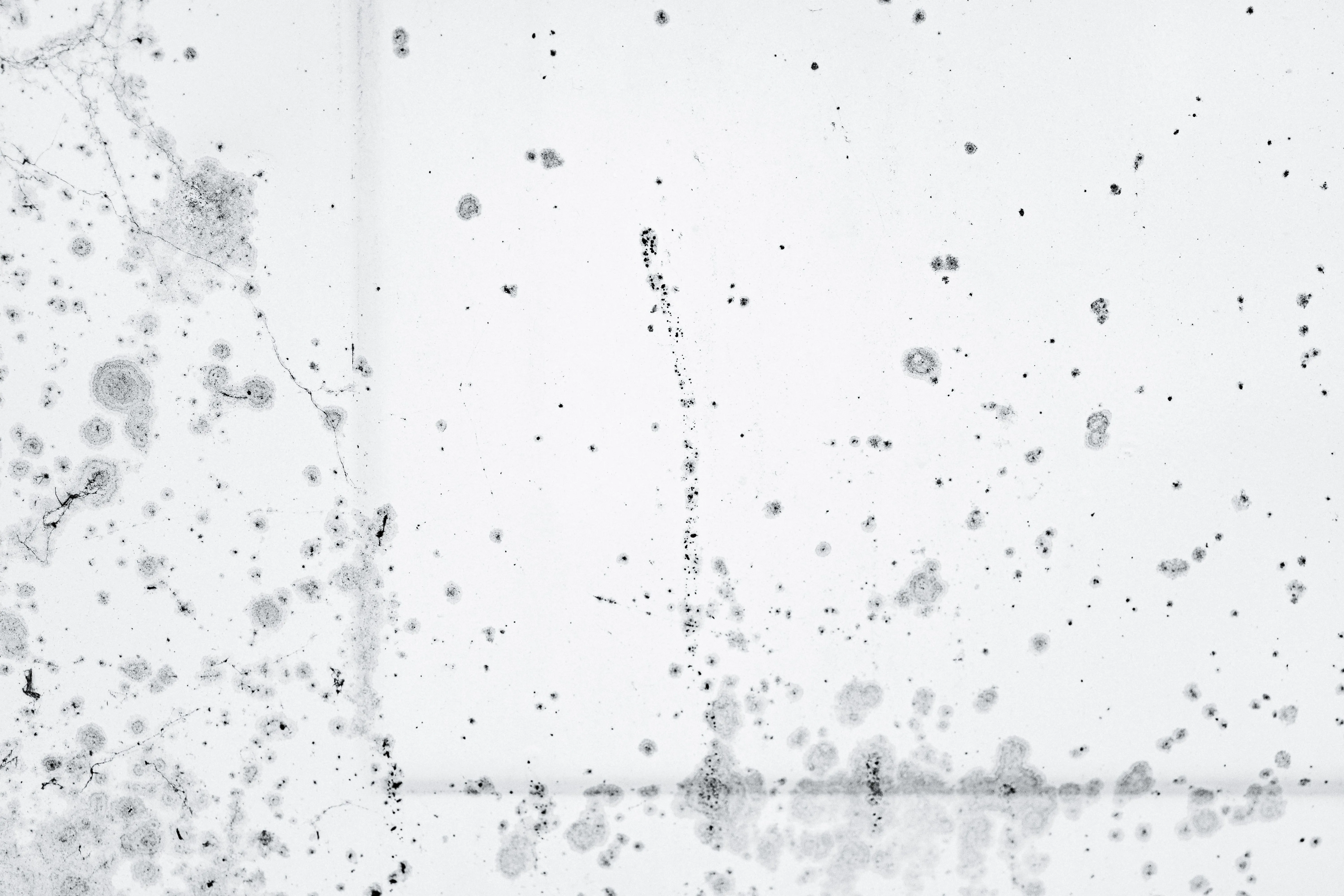
Spring in Omaha brings warmer temperatures, melting snow, heavy rain, and rising humidity — all of which create ideal conditions for mold growth. While many homeowners focus on spring cleaning and outdoor projects, hidden moisture issues often go unnoticed until mold becomes a serious problem.
Moisture from melting snow, foundation seepage, roof leaks, and poor ventilation can linger behind walls, under flooring, and in basements. Without proper preparation, these issues can quickly turn into mold problems that threaten your home’s structure and indoor air quality.
How Winter Damage Turns Into Spring Mold Problems
Many mold issues discovered in spring actually begin during winter. Frozen pipes, ice dams, and condensation create moisture that remains trapped until temperatures rise. Common spring mold triggers include:
- Melting snow around foundations and window wells
- Hidden roof leaks from ice dams
- Basement seepage from saturated soil
- High indoor humidity from sealed winter homes
- Poor ventilation in bathrooms, kitchens, and laundry areas
Once temperatures increase, mold can begin growing rapidly — often within 24 to 48 hours.
Inspect Your Home for Moisture Before Spring Projects
Before starting spring cleaning, renovations, or basement organization, inspect your home for signs of moisture:
- Water stains on ceilings or walls
- Musty or earthy odors
- Peeling paint or bubbling drywall
- Condensation on windows or pipes
- Damp basements or crawl spaces
Addressing moisture early helps prevent mold from spreading when humidity rises.
Control Indoor Humidity Levels
As outdoor humidity increases, indoor moisture can quickly climb into the mold danger zone. Ideally, indoor humidity should stay between 30% and 50%. Steps to control humidity include:
1. Use Dehumidifiers
Especially in basements and lower levels.
2. Run Exhaust Fans
Use bathroom and kitchen fans during and after use.
3. Avoid Opening Windows on Humid Days
Fresh air can introduce moisture instead of removing it.
4. Service HVAC Systems
Proper airflow helps regulate humidity throughout your home.
Clean Gutters and Improve Drainage
Spring rain combined with clogged gutters can force water toward your foundation. Poor drainage is a leading cause of basement moisture and mold growth. Make sure to:
- Clean gutters and downspouts
- Ensure downspouts direct water away from your home
- Check grading so soil slopes away from the foundation
These simple steps can prevent costly water intrusion and mold remediation later.
Be Careful When Spring Cleaning
Spring cleaning often exposes areas that have been undisturbed all winter. If you find visible mold, avoid scrubbing or spraying it with household cleaners. Disturbing mold can release spores into the air and spread contamination throughout your home. Professional remediation ensures proper containment, safe removal, and thorough structural cleaning.
When To Schedule a Professional Mold Inspection
You should consider a professional inspection if your home experienced water damage during winter, you notice musty odors, or you see visible mold growth. Early detection through a certified mold inspection in Omaha often means less invasive remediation and lower overall costs.
At Restoration Now, we specialize in comprehensive mold removal and mold remediation in Omaha, alongside targeted water damage restoration solutions to protect your property structural load integrity all year long.