
Every fall, we get calls from Omaha homeowners who've been blaming ragweed for weeks, only to find out the real problem was in their basement the whole time.
It's an easy mistake to make. Fall is peak season for several allergy triggers at once, and they all feel about the same. The difference is that seasonal allergies go away on their own when the weather changes. A mold problem inside your house doesn't. It usually gets worse once the windows close and the furnace starts circulating the same indoor air all winter.
This guide won't replace a visit to your doctor or allergist, and if you're struggling to breathe, call your doctor first. But it will help you figure out whether your home might be part of the problem.
Why Fall Makes Mold So Hard to Spot
Three different things are going on in an Omaha fall, and they overlap:
- Ragweed season: Ragweed pollen typically runs from late summer until the first hard freeze, and it's one of the biggest fall allergy triggers in the Midwest.
- Outdoor mold: Damp leaf piles, mulch, and compost release mold spores into the air throughout the fall. Raking leaves can send a big dose of them straight at you.
- Indoor mold: Moisture left over from a humid summer keeps feeding mold in basements, crawl spaces, and wall cavities. When the furnace comes on, it moves that air through the whole house.
Because the first two are seasonal, it's natural to assume that's what you're dealing with. The third one is the one that needs mold removal.
The First-Frost Test
Here's a simple clue Omaha homeowners can use. A hard freeze ends ragweed season and knocks back a lot of outdoor mold activity. Your house, on the other hand, stays at a comfortable 68 degrees all winter, and so does any mold growing inside it.
Rule of thumb: If your allergy symptoms are still going strong a week or two after the first hard freeze, or they got worse when the heat came on, it's time to look at your home as the source.
Seasonal Allergies vs. Indoor Mold: Side-by-Side Clues
No single clue proves anything on its own, but the more of these line up in the right-hand column, the more likely mold is involved.
| Clue | Points to Seasonal Allergies | Points to Indoor Mold |
|---|---|---|
| Where symptoms are worst | Outdoors, in the yard, on windy days | Inside the house, especially the basement or one specific room |
| After the first hard freeze | Symptoms fade | Symptoms continue or get worse |
| When the furnace runs | No real change after the first day or two | Flare-ups, or a musty smell from the vents |
| Time away from home | No difference, or worse while traveling outdoors | Noticeably better after a weekend away |
| Who's affected | Mainly people with known pollen allergies | Several people in the household, or pets too |
| Your home's history | No leaks or water problems | Past leaks, a wet basement, or summer humidity issues |
Where Indoor Mold Hides in the Fall
If the clues point inside, these are the places we check first in Omaha-area homes:
- Basements: Behind finished drywall, under carpet, on stored cardboard boxes, and along the bottom of foundation walls. Basement mold is the most common source we find.
- Crawl spaces: They trap summer humidity and almost nobody looks down there. Air from a crawl space rises into the living space above. See crawl space mold removal.
- The furnace and ductwork: Mold on the return side of the system or inside ducts gets spread to every room each time the heat cycles. We covered this in unexplained allergies and HVAC mold.
- Attics: Cool fall nights cause condensation on the underside of the roof deck, especially if bathroom fans vent into the attic. See attic mold removal.
- Windows and exterior walls: Condensation on cold glass and frames, especially in bedrooms where people sleep with the door closed.
- Under sinks and behind appliances: Slow drips under kitchen and bathroom sinks, behind washing machines, and around refrigerator water lines.
How a Mold Inspection Confirms the Source
If you can't find visible growth but the clues still point to your home, a professional mold inspection in Omaha can answer the question. A good inspection usually includes:
- A visual walkthrough of the basement, crawl space, attic, mechanical room, and any rooms where symptoms are worst
- Moisture mapping with moisture meters and thermal imaging to find wet materials behind walls and under floors
- Air sampling that compares spore levels inside your home to an outdoor sample taken the same day, which is especially helpful in fall when outdoor counts are high
- A clear report explaining what was found, where the moisture is coming from, and whether remediation is needed
If mold is already visible, you can usually skip the testing. The EPA notes that when mold growth is visible, sampling is generally unnecessary. At that point, the focus should be on removing it.
When It's Time for Professional Mold Removal
Professional mold remediation makes sense when:
- Mold covers more than about 10 square feet, which is the size the EPA uses as the point to follow professional remediation guidelines
- It's growing on drywall, carpet, insulation, or wood framing, or inside walls, ducts, or a crawl space
- It keeps coming back after you clean it
- It followed a leak, flood, or sewage backup
- Someone in the home has asthma, allergies, or a weakened immune system
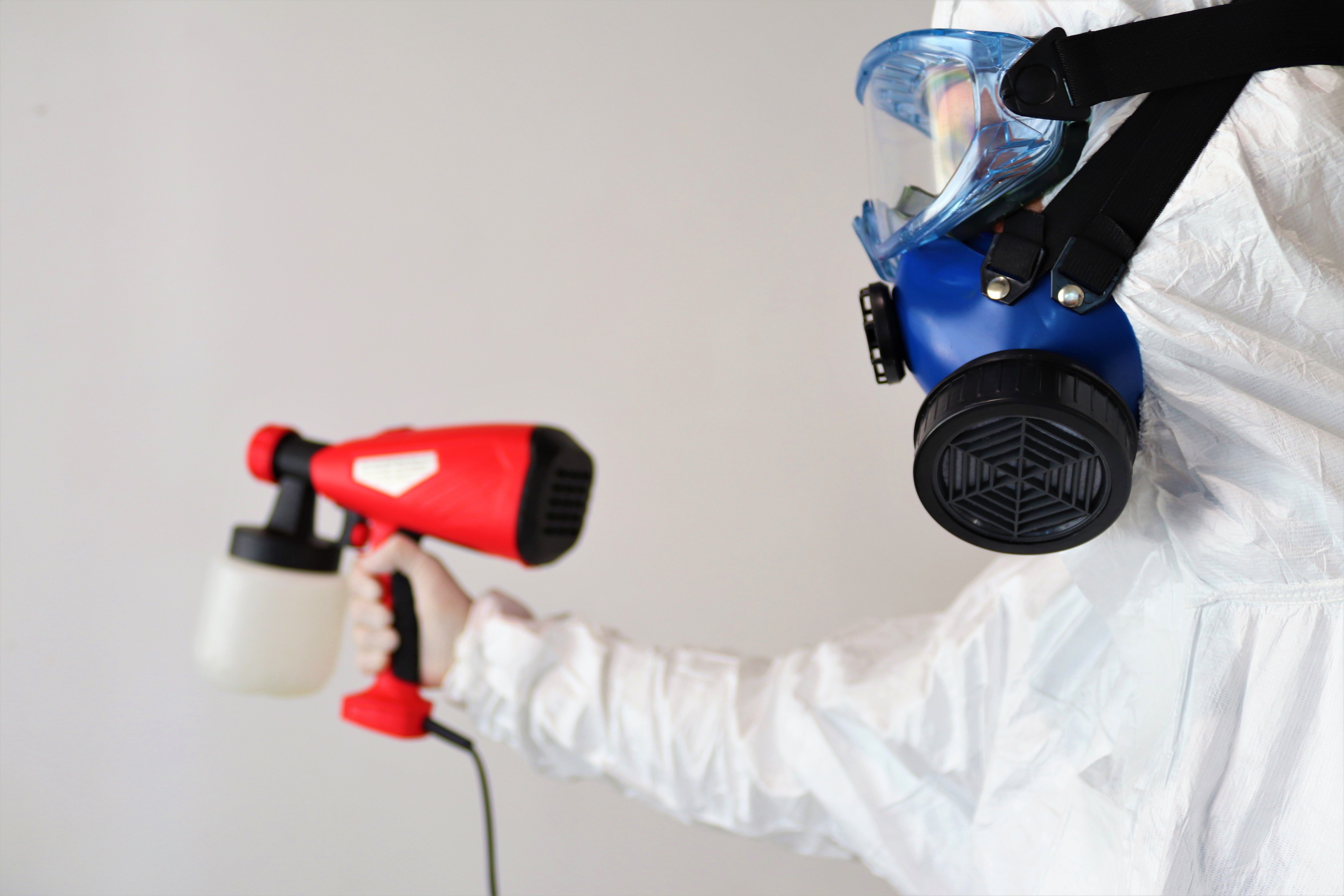
Proper removal means containing the area so spores don't spread, filtering the air with HEPA equipment, removing materials that can't be saved, cleaning and drying what's left, and fixing the moisture source. Fall is a good time to do it, too. We explain why in why fall is the best time for mold remediation.
What You Can Do Right Now
While you figure out what's going on, these steps can cut down on exposure:
- Replace your furnace filter with a high-efficiency pleated filter rated for your system.
- Check your humidity. A simple hygrometer costs a few dollars. Aim for 30% to 50% indoors, and run a dehumidifier in the basement if it's higher. Go easy on humidifiers this winter.
- Run a HEPA air purifier in the bedroom of whoever is most affected.
- Leave the shoes and jacket at the door after raking leaves or yard work so outdoor spores and pollen don't come inside with you.
- Don't scrub or bleach large areas yourself. Disturbing mold releases spores into the air, and bleach doesn't fix the moisture problem. Here's more on DIY vs. professional mold removal.